


Tottenham Hotspur have submitted a proposal that could see a significant change made to their stadium, with plans aimed at reshaping the future of their north London home.
Tottenham Hotspur are set for yet another year in the English top flight despite fears of losing their Premier League status last season, when Spurs were embroiled in a relegation battle.
It took a committed and resilient display from Roberto De Zerbi and his men to ensure Spurs beat the drop, requiring a final-day 1-0 win against Everton to secure survival.
Preparation for next season has now taken centre stage as Spurs look to avoid a repeat of last year’s debacle.

Tottenham submit proposal for stadium solar panel installation
Work is being done in the transfer market to ensure a stronger campaign, but that is far from the only focus at Spurs.
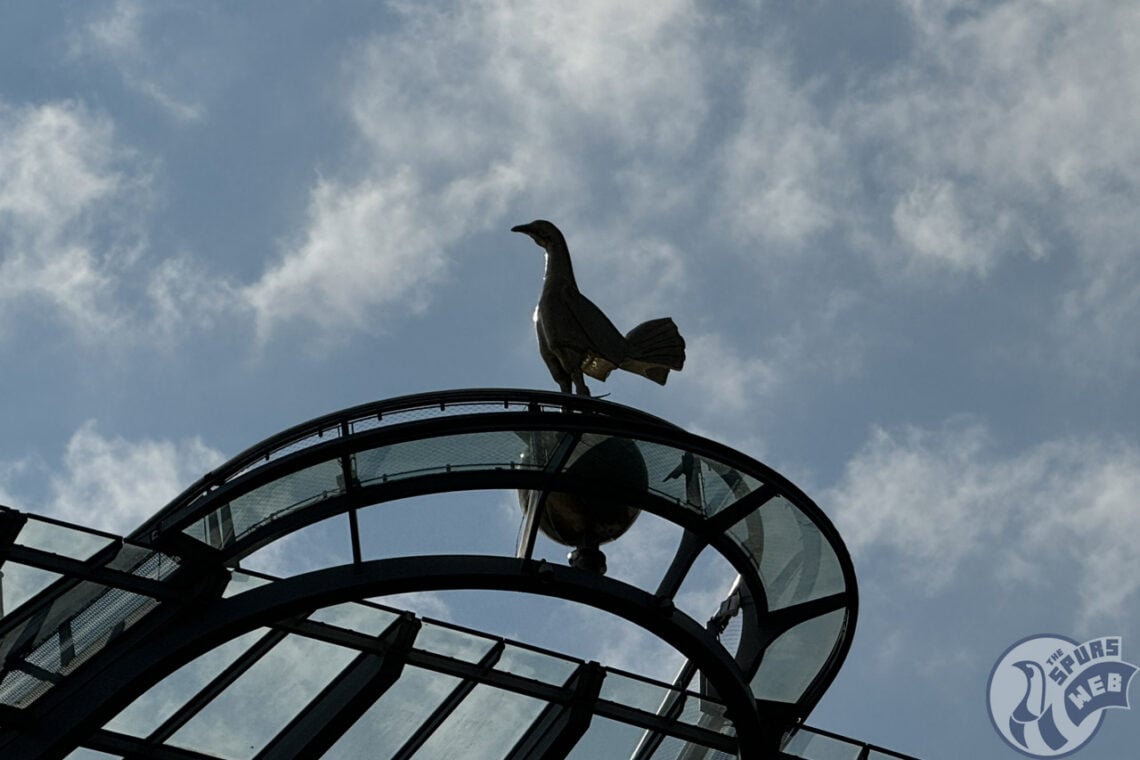
The Tottenham Hotspur Stadium itself is expected to undergo a change. According to football.london, Spurs have submitted proposals to make major alterations to the top of their vast north London ground.
It is reported that the club have applied to Haringey Council to install around 3,800 solar panels on the roof of the stadium.
Tottenham are said to have submitted the proposals last month, with hopes that London-based solar specialists Solivus will begin work in September and complete the installation by the end of the year.
It is explained that the plan is to cover both the inner and outer rings of the stadium’s glass roof, as well as the Sky Walk, with solar panels and associated mounting hardware.
This change would allow Spurs’ huge home to generate its own clean electricity, supporting the club’s net-zero ambitions.
Spurs’ sustainability drive takes another step forward
This new proposal will allow Tottenham to reduce energy costs by more than 40 per cent and cut greenhouse gas emissions by over half.
The Tottenham Hotspur Stadium is understood to already contain its own battery storage system, designed by Altus Energy, which provides major economic savings and power resiliency on match and event days.
The system also leverages backup generators to sell power back to the grid, creating new revenue streams for the north London club.
Not only would this be good for the environment, but it would also help the club in creating another revenue stream, adding to the ones they already have.