
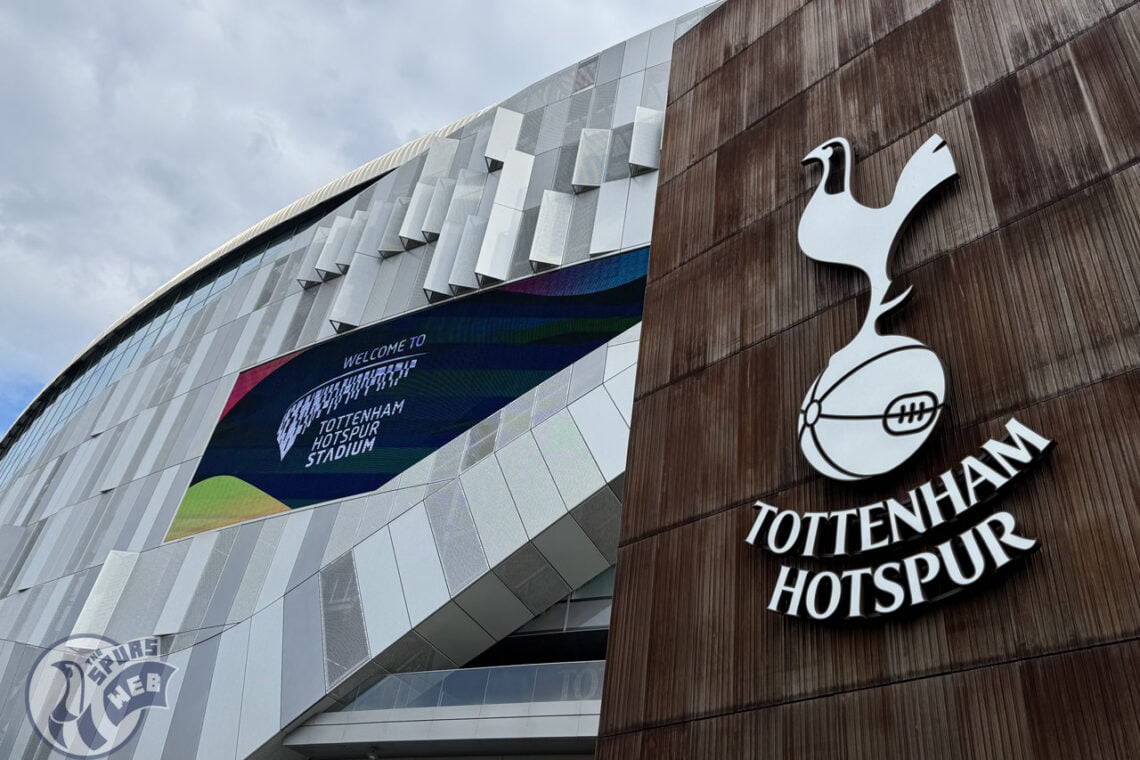


Tottenham Hotspur have been asked to contribute a fixed percentage of their annual revenue towards the local community as part of a proposal put forward by Haringey Council’s Green leadership.
Tottenham have held talks with the council over plans that could see the club contribute around 0.1% of its revenue to a community-controlled fund for residents in the area surrounding the Tottenham Hotspur Stadium.
Based on the club’s most recently published financial results, that could amount to more than £500,000 a year.
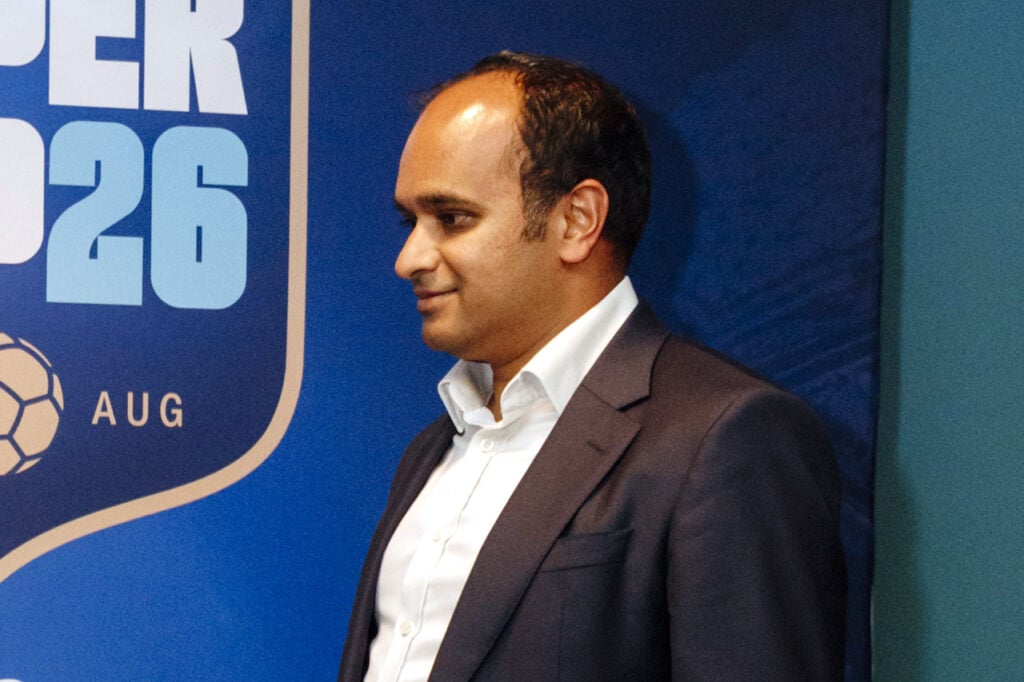
Haringey Greens want Tottenham to contribute 0.1% of revenue
According to a new report from City AM, Tottenham chief executive Vinai Venkatesham has already held discussions with Haringey’s Green Party leadership over the proposal.
The two sides are reportedly due to meet again before the end of September, with discussions said to have been conducted in good faith so far.
The proposal originates from the Haringey Green Party’s 2026 manifesto, which pledged to push Tottenham to establish what it described as a community investment fund.
Under the plan, Spurs would contribute a small percentage of club revenue towards community-controlled resources in Tottenham.
The Greens have proposed a figure of around 0.1% of turnover. Based on Tottenham’s latest published financial results, that would now amount to approximately £565,000 a year.
Spurs reported total revenue and other income of £565.3m for the year ending June 2025, representing a 7% increase from the previous year.
SpursWeb has previously looked in detail at Tottenham’s £565m annual revenue and the club’s latest financial results.
Applying the proposed 0.1% rate to that £565.3m figure would produce an annual contribution of approximately £565,300.
Why Haringey Council wants more money from Tottenham
The proposal centres on the relationship between the Tottenham Hotspur Stadium and the surrounding Northumberland Park community.
A Haringey Green Party spokesperson told City AM that while Tottenham have benefited financially from the stadium’s increasingly lucrative programme of non-football events, local residents have also had to deal with the impact of increased event activity.
The party further alleged that the previous Labour administration allowed Tottenham to default on planning obligations connected with the stadium development, including commitments relating to social housing and employment support.
Those are allegations made by Haringey’s Green Party rather than established findings against the club and Tottenham declined to comment when approached by City AM.
The current Green administration has made securing a greater contribution from Spurs an explicit policy objective.
Council leader Mark Blake confirmed in August that he had already held an introductory meeting with Venkatesham and his team, with further discussions expected over how any future community fund could operate.
Tottenham Hotspur Stadium can now host more non-football events
One of the issues behind the council’s proposal is the growing number of events taking place at Tottenham Hotspur Stadium away from football.
Permission was granted in 2024 for the stadium to increase the number of major non-football events it can stage annually from 16 to 30.
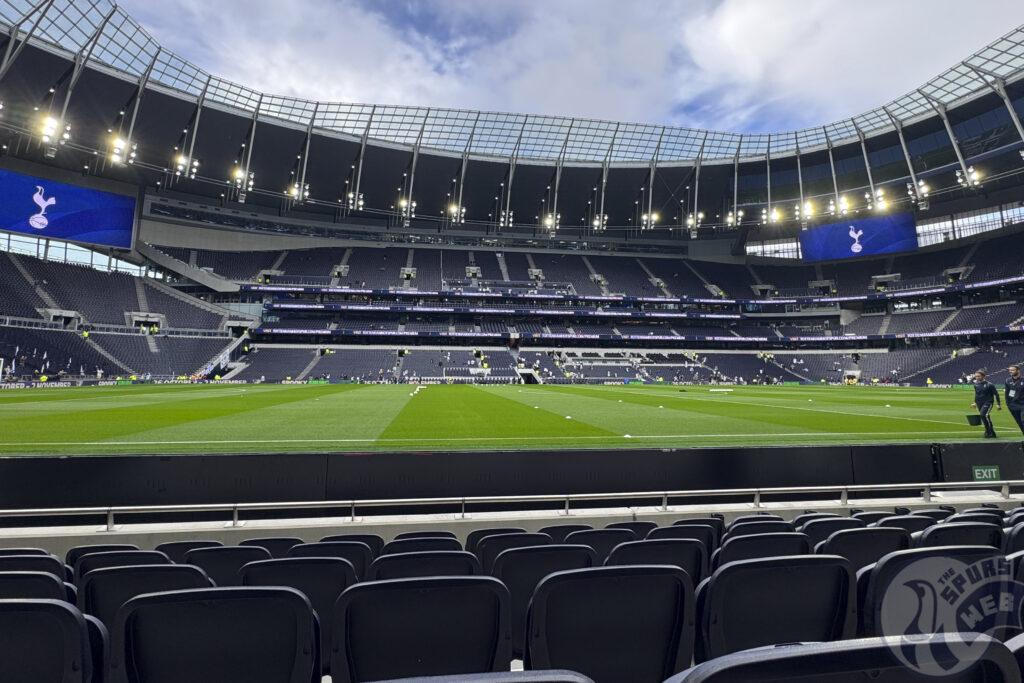
That has allowed Spurs to make even greater use of their 62,850-capacity home throughout the year.
The stadium has hosted NFL fixtures, major concerts and other events alongside Tottenham’s men’s and women’s matches.
City AM reports that non-football events generated £32.5m for Spurs during 2024/25, before the full impact of the increased event allowance was felt.
The importance of the stadium to Tottenham’s wider business is reflected in the club’s financial results.
For the year ending June 2025, Spurs reported £565.3m in total revenue and other income, including £126.5m in matchday receipts, £160m in sponsorship revenue and £39.3m from merchandising.
SpursWeb has also analysed how Tottenham’s commercial revenue compares with their Premier League rivals, with the stadium playing a major role in the club’s commercial growth.
Tottenham have also highlighted their contribution to the local economy
There is another side to the debate over the economic impact of Tottenham Hotspur Stadium. The club has previously pointed to the jobs, investment and economic activity generated by its presence in the borough.
A report commissioned by Tottenham and produced by professional services firm EY estimated that the club and stadium generated £296m in gross value added for Haringey during the 2021/22 season.
The study also estimated that Tottenham’s activities supported the equivalent of around 2,800 full-time jobs in the borough.
Tottenham additionally operates the Tottenham Hotspur Foundation, which runs programmes covering employment, education, health and community development.
City AM reports that Spurs provided £500,000 to the Foundation in their latest accounts, while the Foundation delivered £3.25m worth of programmes with funding also coming from grants, donations and external contracts. Those contributions provide important context to the council’s request.
The debate is not simply about whether Tottenham currently invest in the local community, but whether a fixed proportion of the football club’s revenue should be formally directed towards a separate fund controlled jointly with local residents and the council.
What would a 0.1% contribution actually mean for Tottenham?
The amount involved is relatively small when compared with Tottenham’s overall turnover.
A £565,300 contribution would represent exactly 0.1% of the £565.3m in revenue and other income reported by Spurs for 2024/25.
For comparison, Tottenham’s £500,000 direct contribution to the Tottenham Hotspur Foundation in the same period is already close to the amount that would have been generated under the proposed 0.1% levy.
However, agreeing to a percentage-based contribution rather than a fixed annual payment would be significant for a different reason.
If Tottenham’s revenue continued to grow, the size of the contribution would increase alongside it. For example, revenue of £600m would increase a 0.1% contribution to £600,000, while £700m of revenue would produce a £700,000 payment. There would be a direct link between the commercial growth of Tottenham Hotspur and the amount returned to the proposed community fund.
The proposal raises a wider question over Tottenham’s stadium success
The argument being made by Haringey’s Green leadership is ultimately about how the financial benefits generated by one of Europe’s most commercially active football stadiums are shared with the community immediately surrounding it.
Tottenham can point to significant evidence of their existing impact through employment, economic activity and the work of the Tottenham Hotspur Foundation.
The council, meanwhile, argues that residents in Northumberland Park should receive a more direct financial benefit from the growth of non-football events and the wider commercial success of the stadium.
That makes this more than a straightforward dispute over £565,000.
It raises a wider question over how the relationship between Tottenham Hotspur, Haringey Council and the local community should evolve as the club continues to increase the commercial potential of its stadium.
No agreement has yet been announced. Tottenham and Haringey Council are expected to hold further discussions before the end of September, meaning the exact structure of any potential community contribution remains to be decided.